Lava zones, water, zoning, off-grid systems, and ranch land — everything that decides whether a Hawaiʻi Island parcel is worth what it's priced at, and whether you can build on it at all.
Buying vacant land on the Big Island involves layers that simply don't exist on the mainland — and often don't exist on other Hawaiian islands either. The soil, the water, the roads, and the rock beneath your feet are all shaped by five active shield volcanoes and centuries of land use that range from traditional ahupuaʻa systems to modern agricultural zoning.
Before you fall in love with a parcel, you need to understand its lava hazard zone, how it gets water, what you can legally build, and whether the road in is actually yours to use. These aren't details — they determine whether a piece of land is a wise investment or a costly mistake.
This guide covers the four things every buyer must understand before making an offer on Big Island land.
The USGS assigns every parcel on the Big Island a lava hazard zone from 1 (highest risk) to 9 (lowest risk). This single number affects your insurance options, financing eligibility, and property value more than almost any other factor.
Directly over or adjacent to active rift zones. Includes lower Puna, Leilani Estates, Lanipuna Gardens, and areas around the East Rift Zone. The 2018 Kīlauea eruption destroyed 700+ homes here. Insurance is extremely limited. Most lenders will not finance.
Adjacent to Zone 1 and historically affected by frequent lava flows. Parts of lower Puna and areas around the Southwest Rift Zone fall here. Insurance options remain very limited — primarily Hawaii Property Insurance Association (HPIA) up to $450,000.
Parts of upper Puna and some South Hilo areas. Lower eruption frequency than Zones 1–2 but still carries volcanic risk. Insurance is available but limited. Some lenders will finance with additional requirements.
Covers North Kona, parts of Hilo, and mid-elevation areas. These zones have not experienced flows in recorded history but remain within the influence of active volcanic systems. Standard homeowners insurance is generally available here.
Includes Waimea/Kamuela, most of the Kohala Coast, and upper South Kona. Volcanic activity has not occurred here in thousands of years. Standard insurance and conventional financing are readily available.
The Kohala Mountain area on the island's northern tip — the oldest volcanic region, with no known eruption history. Easiest to insure, easiest to finance, and typically the most expensive land on the island due to its safety profile and scenery.
Important: Always verify a parcel's exact lava zone before making an offer. You can look up any address using the Hawaiʻi County GIS system or ask your Realtor to pull the Tax Map Key (TMK) record. Zone determines insurance cost, financing options, and resale value — it is not a detail to skip.
On the Big Island, "does this property have water?" is a more complex question than anywhere on the mainland. There are three primary water systems, and which one a parcel uses affects both the cost to develop it and your daily quality of life.
Metered county water (provided by the Hawaiʻi County Department of Water Supply) is available in established subdivisions, developed neighborhoods, and urban cores — primarily Kailua-Kona, Hilo, Waimea, and parts of the Kohala Coast.
If a parcel has a county water meter, that's the easiest and most reliable source. Check whether the meter is active and whether any outstanding water system fees are owed — these can transfer to a new owner.
In some rural subdivisions, county water lines exist but meters must be applied for — and there may be a wait list. Verify meter availability before closing.
Thousands of Big Island residents — especially in Puna and the Hāmākua Coast — rely entirely on rainwater collected from rooftops and stored in large above-ground tanks. This is not primitive: it is a fully functional water system when sized and maintained correctly.
Tanks typically hold 10,000–30,000 gallons, and a household uses 50–100 gallons per person per day. How catchment actually works — sizing, filtration, and what to inspect →
Wells are permitted in certain areas but require approval from the Hawaiʻi Department of Land and Natural Resources (DLNR) Commission on Water Resource Management. Not all areas allow well drilling, and the process can take 6–18 months.
The cost to drill and develop a well on the Big Island typically ranges from $30,000–$80,000 depending on depth, location, and water quality. Some areas have brackish or saline groundwater — know your specific area before banking on a well.
If a seller claims a property "can have a well," always verify with the County Planning Department and DLNR before relying on that as your water plan.
The vast majority of vacant land on the Big Island is zoned agricultural. That doesn't mean you can't build — but it does mean what you can build, how large a lot you need, and what farming activities you must demonstrate are all governed by the county zoning code.
| Zone Code | Min. Lot Size | Dwelling Allowed? | Notes |
|---|---|---|---|
| FA-2a | 2 acres | Yes — 1 dwelling | Family Agricultural. Most accessible ag zone for residential development. Common in rural subdivisions near established areas. |
| A-1a | 1 acre | Yes — 1 dwelling | One-acre minimum. Permits agricultural activities plus a dwelling. More common in older ag subdivisions near town centers. |
| A-20a | 20 acres | Yes — with farming | Working farm designation. Must demonstrate active agricultural use to qualify for ag tax exemption. Common for serious farm operations. |
| A-40 | 40 acres | Yes — 1 per 40 ac. | Large ranch and farm parcels. One dwelling per 40 acres of land owned. Active agricultural operations required. |
| A-200a | 200 acres | Yes — limited | Large-scale agricultural operations. Rarely subdivided. Think legacy ranch land and large family holdings. |
One of the most valuable financial benefits of owning agricultural land in Hawaiʻi is the agricultural property tax exemption. AG-zoned land assessed at agricultural use rates pays dramatically lower property taxes than residential or commercial land.
To qualify, you must demonstrate active agricultural use — the land must be genuinely farmed, ranched, or used for agricultural production. Passive ownership with no farming activity generally does not qualify.
The county's Real Property Tax Division reviews agricultural exemption applications and can audit whether active use requirements are being met. If a property transitions from active farming to non-agricultural use, the tax rate can increase substantially — sometimes retroactively.
Important: agricultural exemptions run with the use, not just the zoning. A property can be zoned agricultural but taxed at a higher rate if the buyer isn't farming. Work with your Realtor and a local tax professional to understand your specific obligation before closing.
On the Big Island, living off-grid isn't a lifestyle statement — it's the everyday reality for thousands of residents across Puna, Kaʻū, and parts of the Hāmākua Coast. These districts were subdivided decades ago without utility infrastructure, and many parcels simply don't have access to county water or HELCO grid power.
That doesn't make them undesirable. An off-grid home with a well-designed rainwater catchment system, a properly sized solar array, and a good septic system is a fully functional, comfortable, and often more self-reliant home than its on-grid neighbors.
But it does mean buyers need to understand what they're getting into — because maintaining these systems is your responsibility, not the county's. This guide covers the three critical systems in every off-grid Big Island home: water, power, and waste.
Most off-grid Big Island homes collect rainwater from rooftops into large storage tanks. With 100+ inches of annual rainfall in Puna, a well-maintained system is reliable year-round.
Photovoltaic panels with battery storage and a generator backup are the standard off-grid power setup. Hawaiʻi's solar resource is excellent — one of the best in the country.
Off-grid properties use permitted septic systems for wastewater. The state is phasing out cesspools by 2050 — buying a property with a cesspool comes with a future obligation.
Rainwater catchment collects precipitation from rooftops, channels it through gutters and a first-flush diverter, and stores it in large polyethylene or fiberglass tanks. When properly designed and maintained, it is a clean, reliable water source.
The Puna District receives 100–150 inches of rainfall per year in many areas — among the highest in the state. Even on drier parts of the island, a correctly sized catchment system can meet household needs year-round when supplemented with occasional water delivery during dry spells.
Standard household water usage on catchment is similar to grid-connected homes: 50–100 gallons per person per day for cooking, bathing, laundry, and landscape irrigation. A family of four needs roughly 200–400 gallons per day — meaning a 20,000-gallon tank provides roughly 50–100 days of reserve, depending on rainfall.
The most important component of a catchment system is filtration. Rooftop runoff can contain bird droppings, pollen, and particulates. A properly designed system includes:
First-flush diverter — discards the first 10–15 gallons of each rain event, which carry the most contamination.
Sediment filter — removes particulates before water enters the tank.
UV treatment or reverse osmosis — for drinking and cooking water. Do not drink catchment water without treatment.
Hawaiʻi has the highest electricity rates in the United States — about 43¢/kWh as of 2026, versus a national average around 18¢. That makes solar economically compelling everywhere on the island, but the system design differs significantly between grid-tied and off-grid properties.
An off-grid solar system must supply 100% of your electricity needs — no utility backup to draw from at night or on cloudy days. This means larger panel arrays, larger battery banks, and a backup generator for extended low-sun periods. The system requires more planning, more upfront cost, and more ongoing maintenance than a grid-tied system.
Most off-grid households on the Big Island use 10–25 kWh per day. A system sized for 15 kWh/day typically requires a 5–8 kW array paired with 10–20 kWh of battery storage (lithium preferred for depth of discharge and lifespan). A propane or gas generator as backup adds reliability for long rainy stretches.
When buying an off-grid home, always ask for documentation on the existing solar system — panel brand and age, battery type and age (lithium lasts 10–15 years; lead-acid, 5–7), inverter brand, and any monitoring data. An aging lead-acid battery bank that needs replacement represents an $8,000–$15,000 expense.
Panels feed into the HELCO grid. You earn credits for excess generation, draw from the grid at night. Simpler, lower upfront cost.
No battery required (though increasingly common). Available in areas with utility power lines.
Panels charge batteries. You run entirely on stored solar + generator. More complex — full energy independence.
Required in areas without HELCO access. Sizing matters — undersized systems cause headaches.
Off-grid homes on the Big Island use one of two waste systems: a permitted septic system, or — on older properties — a cesspool. A septic system uses a tank to separate solids from liquid waste, then releases treated effluent into a drain field in the soil. A cesspool simply collects waste in an unlined pit.
Cesspools are an environmental and health hazard. Hawaiʻi has more cesspools per capita than any other state, and they are a significant source of nutrient pollution in coastal waters. The state legislature recognized this and passed Act 125 in 2017, requiring all cesspools statewide to be converted to septic systems or alternative wastewater systems by January 1, 2050.
If you are buying a property with a cesspool, you are also buying a future obligation to upgrade it — costs typically run $30,000–$50,000 — sometimes more — depending on lot size, soil conditions, and the scope of the drain field needed. Factor that into your offer price.
New construction and major renovations already require septic systems — cesspools cannot be installed on any property where construction permits are pulled after Act 125. If you are buying land to build, you'll need a percolation test by a licensed engineer before the county will approve a building permit.
All cesspools in Hawaiʻi must be upgraded or decommissioned by January 1, 2050. Priorities are set by proximity to sensitive coastal areas and drinking water sources — some properties may be required to convert earlier.
Conversion cost: $30,000–$50,000+ depending on lot size and conditions. The state has offered financial assistance programs — check with Hawaiʻi Department of Health for current status of any available grants or low-interest loans.
Process: Hire a licensed professional engineer to assess the lot, design the system, and apply for a permit through Hawaiʻi County Department of Environmental Management. Timeline from application to installation: typically 6–12 months.
If you're buying a property with a cesspool near a shoreline, stream, or in an area the county has flagged for priority — budget for conversion soon, not in 2049.
Building on off-grid land in rural Hawaiʻi is possible — but the permitting process is more complex than in urban areas. Understanding the system before you break ground saves months of delay.
Hawaiʻi County requires building permits for any structure over 200 sq ft, or any structure with plumbing, electrical, or mechanical systems — regardless of location. This includes homes, accessory dwelling units (ADUs), agricultural storage buildings with utilities, and catchment tank installations above a certain size.
Unpermitted structures are extremely common in rural Puna and Kaʻū — often listed as "built without permits" or BWP. These can create significant problems for buyers: difficulty financing, future county action, and inability to insure the structure properly. Always ask about permit status before making an offer.
Some rural Big Island land falls within the State Land Use Conservation District — areas the state has designated as environmentally sensitive. These include upland forest areas, steep coastal cliffs, and land adjacent to national parks.
Building in the Conservation District requires approval from the state Board of Land and Natural Resources (BLNR) — a separate process from county permits that can take 12–24 months. Always confirm land use classification before purchasing remote or upland parcels.
On agriculturally zoned land, you can build a home — but it must qualify as a "farm dwelling" incidental to the agricultural use of the property. This is not just semantics: the county can require you to demonstrate that the property is being actively farmed before approving a dwelling permit on some ag-zoned parcels.
The specific requirements vary by zoning district (A-1, A-20, A-40, etc.). Work with a Realtor who understands agricultural permitting, and consult the Hawaiʻi County Planning Department early in the process — before you design your home or break ground.
A common question from off-grid buyers: can I live in a tiny home, yurt, or temporary structure while I build? Technically, most temporary structures still require permits if they'll be inhabited. Hawaiʻi County has occasionally enforced against unpermitted habitation on ag land.
The practical reality varies by area — enforcement is much more active in some districts than others. But buyers who purchase land planning to "camp while they build" should be aware of the regulatory risk and should confirm what is permissible with the county before closing on the land.
Not all off-grid living is the same — the experience in wet, lush Puna is completely different from the dry, remote Kaʻū. Here's how the main off-grid areas compare.
The most populated off-grid area on the island. Subdivisions like Hawaiian Paradise Park, Orchidland Estates, and Hawaiian Acres have tens of thousands of residential lots — many of them off-grid. Dense jungle, abundant rainfall, strong off-grid community culture.
Slightly higher elevation and lower volcanic risk than lower Puna. More established community infrastructure, proximity to Pahoa town for services. Mix of on-grid and off-grid properties.
The most remote and most affordable off-grid area. Ocean View Estates offers large lots at very low prices — but it is truly remote (90 min from Kona), dry, and stark. For buyers who truly want isolation and self-sufficiency, it delivers.
Off-grid living in one of the most beautiful settings on the island — dramatic sea cliffs, lush rainforest, and excellent rainfall for catchment. More expensive than Puna, but significantly lower volcanic risk and more established infrastructure.
Cool, forested, and quiet. Many properties around Volcano Village are off-grid with excellent catchment from the consistent rainfall. The proximity to Hawaiʻi Volcanoes National Park is a major draw — and a unique lifestyle experience.
Not exclusively off-grid, but many small farms and coffee properties in this area operate on catchment water and solar — especially at higher elevations. Combines agricultural lifestyle with proximity to Kailua-Kona's services (30–45 min).
If you're buying raw land and building from scratch, these are the realistic system costs you're working with — separate from the land price, home construction, and permits.
| System | Low End | High End | Notes |
|---|---|---|---|
| Rainwater catchment system | $5,000 | $15,000 |
Tank, gutters, first-flush diverter, basic filtration.
Add $3,000–$8,000 for UV/RO drinking water treatment.
|
| Solar panels (5–8 kW array) | $12,000 | $32,000 | Panel installation. Lithium battery bank adds $8,000–$15,000. Hawaiʻi's 35% state tax credit (capped at $5,000) still applies as of 2026; the federal residential credit ended after 2025. |
| Battery storage (lithium) | $8,000 | $20,000 | Lithium preferred. Lifespan 10–15 years. Lead-acid cheaper but shorter life and less usable capacity. |
| Backup generator | $1,000 | $4,000 | Propane or gasoline. Essential for extended cloudy/rainy periods. |
| Septic system | $12,000 | $35,000 | Includes perc test, engineering, permitting, and installation. Highly variable by lot conditions. |
| Total system setup | $38,000 | $106,000 | Before land, home construction, or permits. Plan for the middle of this range for a comfortable, reliable system. |
The Big Island's farm and ranch land is concentrated in six distinct corridors — each with its own climate, crop profile, price range, and character. Understanding which corridor fits your vision is the starting point for any agricultural property search.
The world-famous Kona coffee growing region runs along the western slope of Hualālai volcano, from Holualoa south through Captain Cook and Hōnaunau. Microclimates here produce ideal growing conditions: warm mornings, afternoon clouds, and consistent rainfall at elevation.
The Parker Ranch — one of the largest cattle ranches in the United States at roughly 130,000 acres — anchors the Waimea/Kamuela plateau. The surrounding area is some of the most scenic ranch land in Hawaiʻi, with green pastures, misty mornings, and cool temperatures year-round.
The rugged northern tip of the island transitions from dry coastal land to lush upland pasture. Smaller ranches and farms sit on some of the oldest volcanic terrain on the island (Lava Zone 9) — lowest volcanic risk, dramatic views, and strong cultural roots.
Once the heart of Hawaiʻi's sugar industry, the Hāmākua Coast now supports diversified farming — tropical fruits, floriculture, specialty crops, and small-scale orchards. Deep red soil, dramatic sea cliffs, and 80–120 inches of annual rainfall make it extraordinarily fertile.
The upper Hāmākua area around Honokaʻa and Paʻauilo supports macadamia nut orchards, cattle operations, and small diversified farms. More affordable than the Kona belt, with good soil, reliable rain, and a strong local agricultural community.
Kaʻū produces Kaʻū coffee — now internationally recognized as rivaling Kona in quality. The area also supports cattle and small diversified farms. Upland Volcano-area farms benefit from cool temperatures and lush volcanic soil for specialty crops including mushrooms, berries, and orchids.
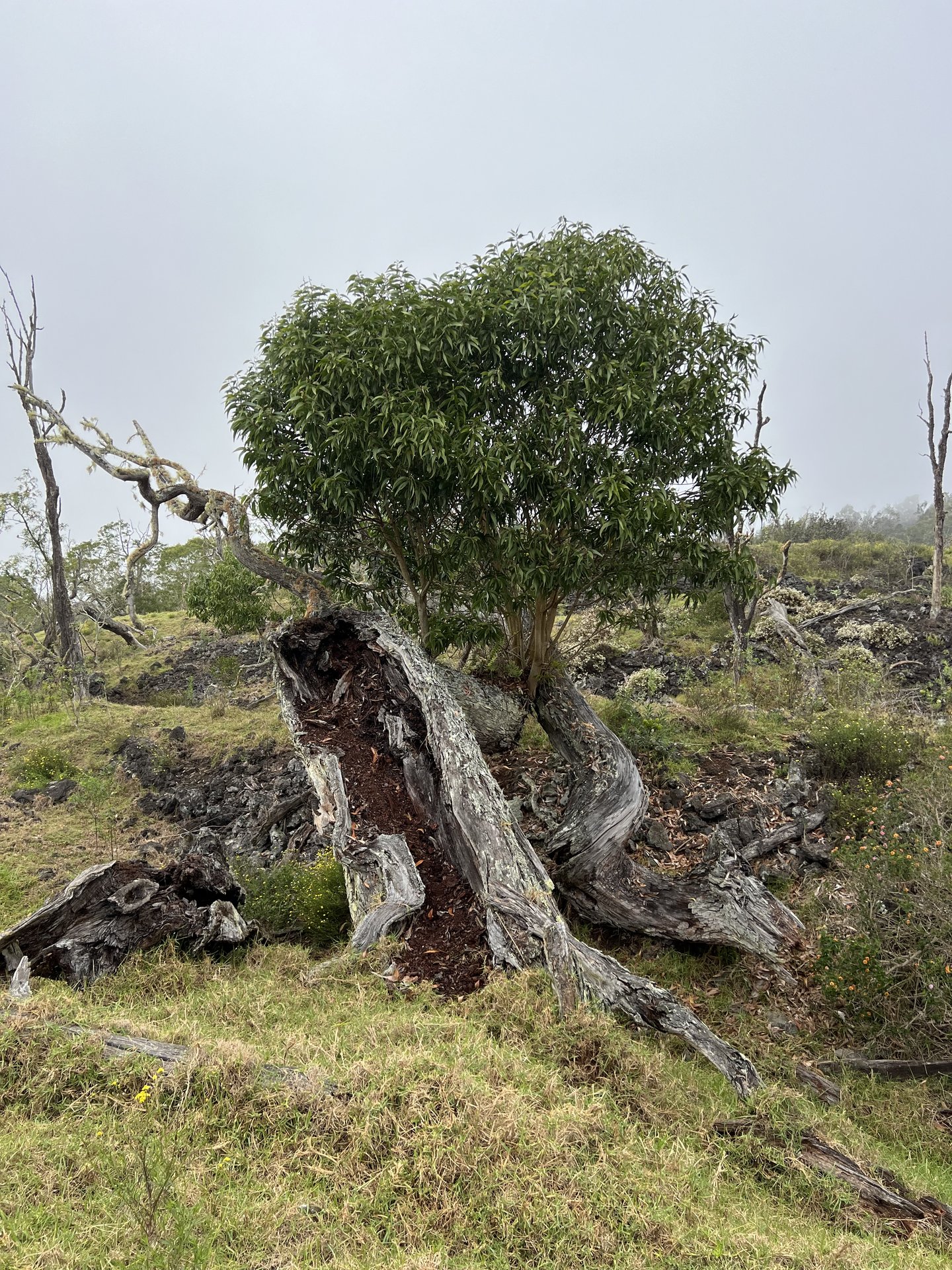
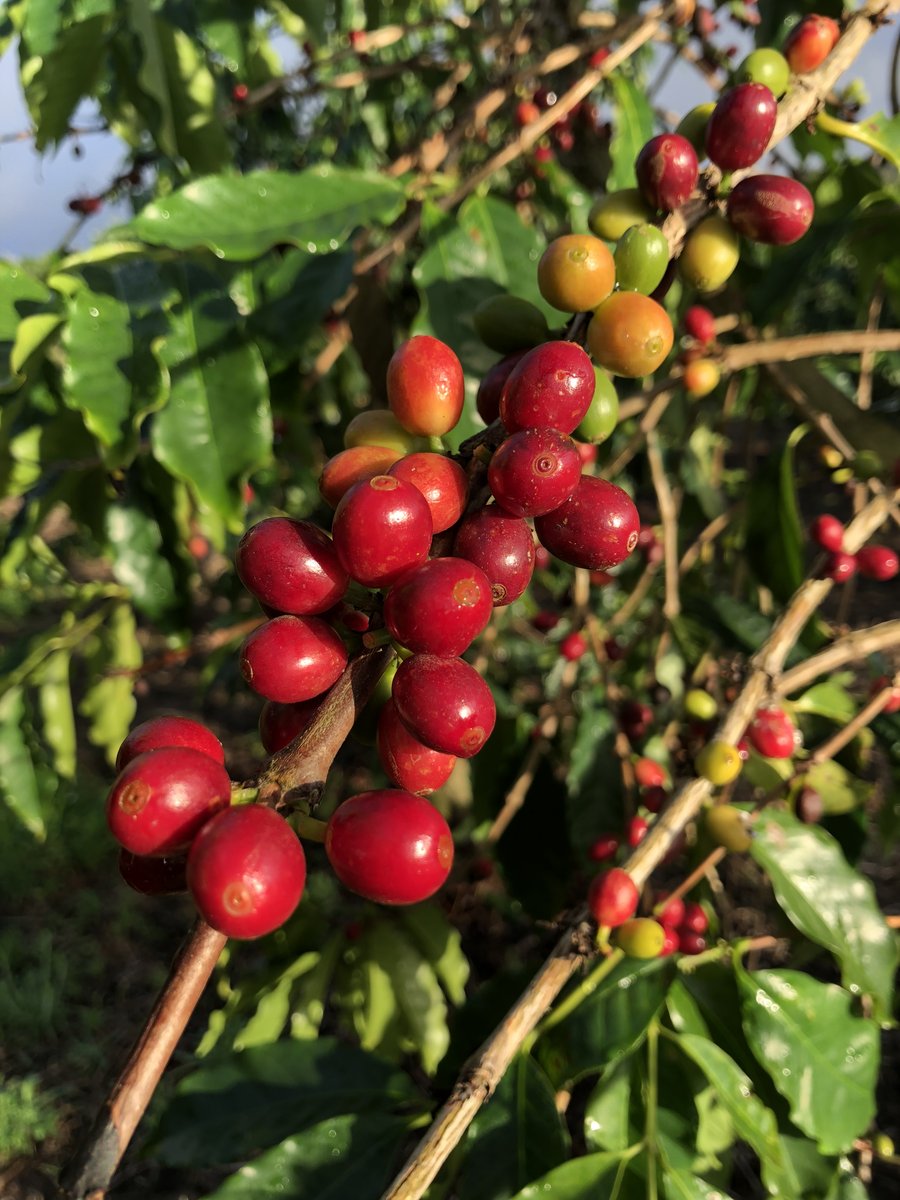
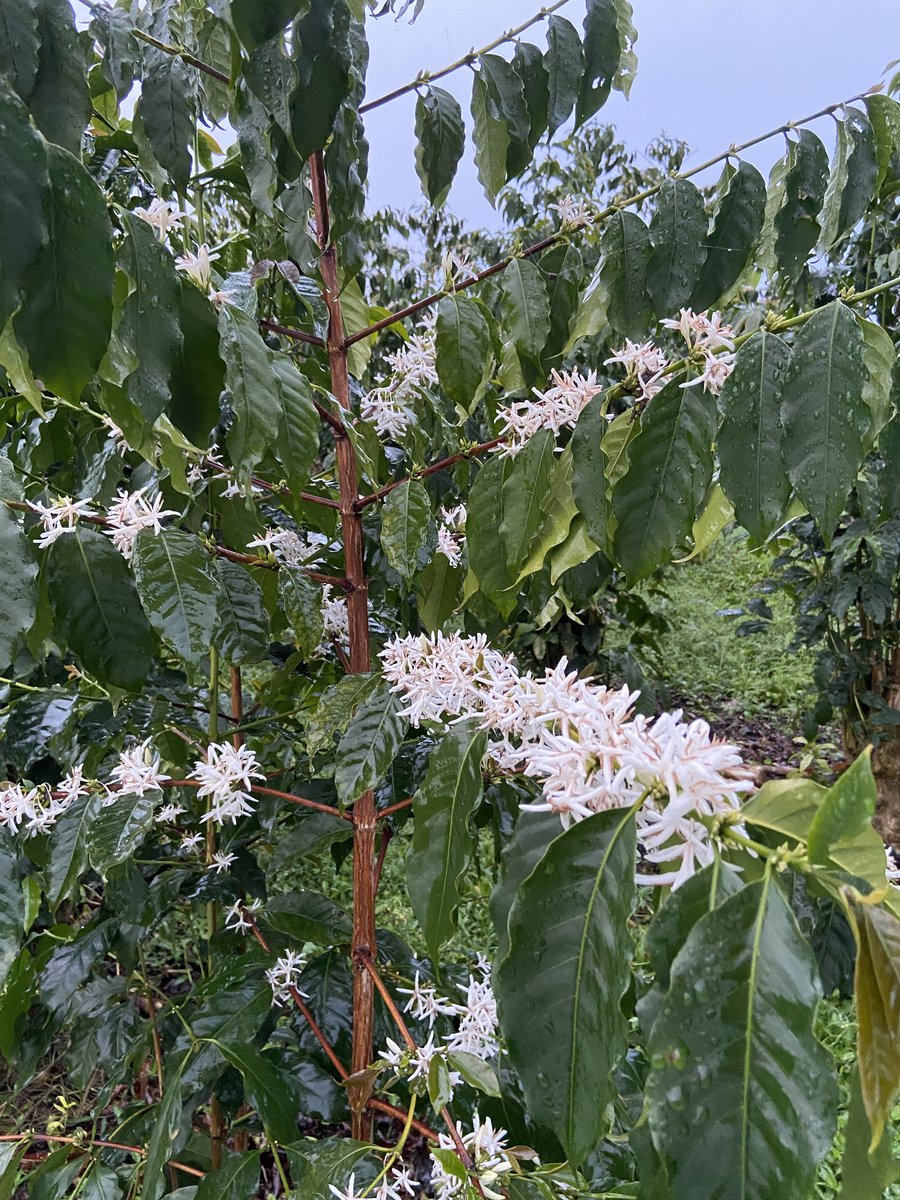
Big Island agricultural properties span an enormous range — from small coffee farms under 5 acres to trophy ranch land over 1,000 acres. Here's how the market breaks down by type.
2–10 acre parcels zoned FA-2a or A-1a. Typically include a home or permitted structure, a water source, and some cleared agricultural land. Common in Puna, Kaʻū, and outer Hāmākua. Entry-level agricultural living on the Big Island.
3–15 acre farms in the Kona coffee belt or Kaʻū district with established coffee trees, processing equipment, and a home. Kona coffee commands premium prices globally — buyers pay for both the land and the income potential. Due diligence on tree health, yield history, and water rights is essential.
Established mac nut orchards on 5–50 acres, primarily in the Hāmākua and Honokaʻa areas. Trees take 7–10 years to reach full production — buying an established orchard versus raw land is a major price and timeline difference. Check processor contracts and infrastructure condition.
Working cattle and horse ranches in Waimea, Kohala, and North Hāmākua. Properties range from 20-acre gentleman ranches to 500+ acre working operations. The Waimea and Kohala area supports some of the most premium ranch land in Hawaiʻi — access to Parker Ranch's infrastructure and community is a significant draw.
Every agricultural corridor has its own character, community, and practical realities. Here's what buyers need to know about the three most active ranch and farm markets on the island.
Waimea sits at the center of one of the most storied ranching cultures in the United States. Parker Ranch — founded in 1847 and today covering roughly 130,000 acres — defines the character of the entire region. Paniolo (Hawaiian cowboy) tradition runs deep here, and neighboring ranch properties benefit from that culture, the established infrastructure, and the agricultural expertise embedded in the community.
Smaller parcels adjacent to large ranch operations, gentleman horse farms, cattle operations on 20–200 acres, and lifestyle ranches for buyers who want the rural pastoral experience close to a real town. Waimea has excellent schools, the KTA grocery, multiple restaurants, and a strong community — making it more accessible than more remote ranch areas.
Water here comes primarily from Kamuela Irrigation Association or private catchment — county water is available in town. Properties at higher elevation can be foggy and significantly cooler than the coast. The Kohala Center in Waimea provides agricultural technical assistance and is a valuable resource for new farmers and ranchers.
Kohala Mountain is the oldest of the Big Island's five volcanoes — dormant for over 60,000 years and classified Zone 9, the lowest possible volcanic risk. This geological age means rich, deeply developed soils in the uplands and a track record of stability that makes lenders and insurers comfortable. It also means some of the most expensive ranch land on the island.
North Kohala is defined by extremes: the coastal Kohala Resort area is bone-dry and sunny, while the upland ranches above 2,000 feet receive heavy rainfall and are blanketed in lush pasture. A property's specific elevation and aspect — which direction it faces — determines its climate more than its district label. Work with a Realtor who has walked the land.
Heritage ranch land with deep Hawaiian history, scenic ocean-view pastures, small working cattle operations, and lifestyle properties with privacy and dramatic views. Access to the Kohala Coast's luxury resort amenities is minutes away from upland farms — a combination few places in the world can offer.
The Hāmākua Coast's sugar industry ended in 1994 with the closure of the Hāmākua Sugar Company. In the three decades since, the land has transitioned to diversified agriculture — tropical fruits, floriculture, macadamia nuts, timber, and specialty crops. The red volcanic soil is extraordinarily fertile, and the consistent rainfall means irrigation is rarely needed.
Compared to Kona coffee farms or Waimea ranch land, Hāmākua farms are often significantly more affordable per acre. Buyers who don't need the Kona name or the Waimea prestige — but do want productive soil, good rainfall, and a working farm lifestyle — find exceptional value here.
Most properties here use catchment water — verify tank condition and sizing carefully. Roads can be steep and narrow, and some parcels are accessed via private easements. The spectacular sea cliff scenery and Waipiʻo Valley proximity make this one of the most beautiful agricultural regions in the state.
Vacant land purchases on the Big Island require a different due diligence process than buying a home. There are fewer protections built in — no seller's property disclosure on some rural parcels, no automatic access to utility records. Here is what to verify before you commit.
Pull the Tax Map Key (TMK). This is the parcel's unique identifier. It shows legal size, zoning, ownership history, and recorded easements. Your Realtor can pull this from the County GIS portal.
Confirm access — legally, not visually. Just because there's a road doesn't mean you have a legal right to use it. Check the title for recorded ingress/egress easements.
Check for CPR designation. Condominium Property Regime lots subdivide a single parcel into individually owned portions. CPR properties have unique legal implications for financing and future subdivision.
Order a title search. Look for liens, unpaid property taxes, back water bills, and any encumbrances that would transfer to you at closing.
Confirm the lava zone. Look up the parcel at the Hawaiʻi County GIS or ask for the USGS Lava Hazard Zone map. Never rely on the seller's verbal description alone.
Verify the water source. Is there an active county water meter? A working catchment system? A well permit? Or nothing — bare land with no water plan?
Check for electrical service. Is there HELCO power to the parcel, or is it off-grid only? If power lines don't reach the lot, factor in the cost of solar and battery systems before determining your price.
Confirm septic feasibility. County requires a percolation test before approving a septic system on undeveloped land. Hire a licensed engineer to run a perc test before you close.
Ask about conservation land or Special Management Areas. Some land near the coast or in upland forest areas falls under additional state restrictions that limit what you can build.
Agricultural properties carry unique inspection considerations that a standard residential inspection won't cover. These are the questions to answer before you close.
Has the soil been tested? Know the pH, nutrient levels, and any history of chemical applications.
Are there drainage issues? Low-lying areas on windward parcels can flood seasonally.
What is the timber/tree inventory? On orchard properties, count and assess tree age and health.
Are there noxious weeds or invasive species requiring ongoing management?
Verify fencing condition and boundary markers — especially on large parcels where encroachment is common.
Inspect roads and access — are they paved, gravel, or dirt? Who is responsible for maintenance?
Are barns, storage buildings, and equipment structures permitted? Unpermitted structures can create closing delays.
What irrigation infrastructure exists? Pipes, valves, tanks — assess age and condition.
Verify the property's current ag exemption status and what documentation the county requires to maintain it.
Review any USDA or state conservation program enrollment — these can restrict what you do with the land for years after purchase.
Check for water rights and water system agreements — especially on large parcels that share irrigation infrastructure.
Ask for 3 years of income and expense records on working farms — yield history tells you more than the seller's verbal description.
Send me a parcel you're looking at and I'll tell you what I'd want verified before an offer — lava zone, water, access, zoning, and what it will actually cost to build.