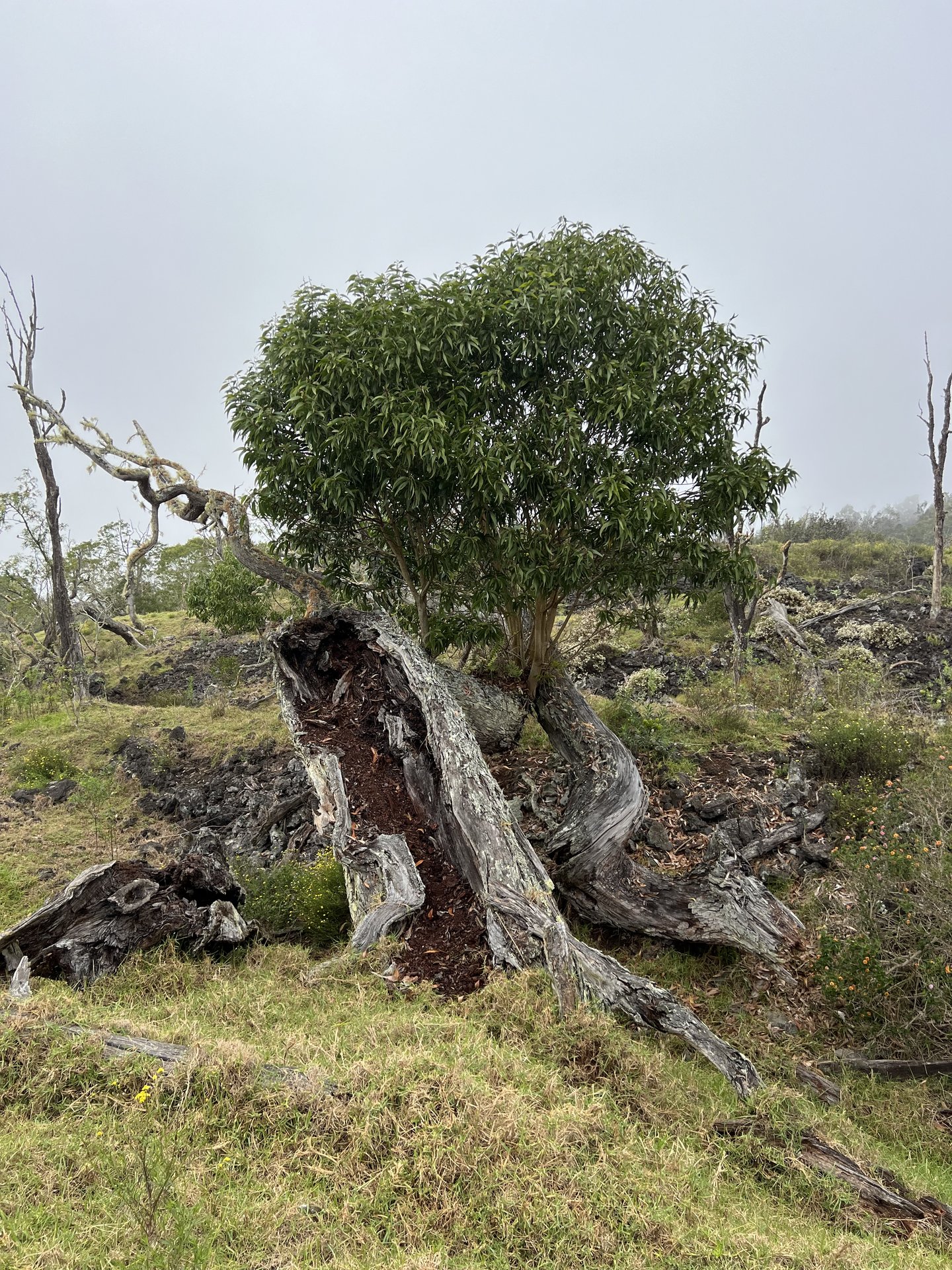
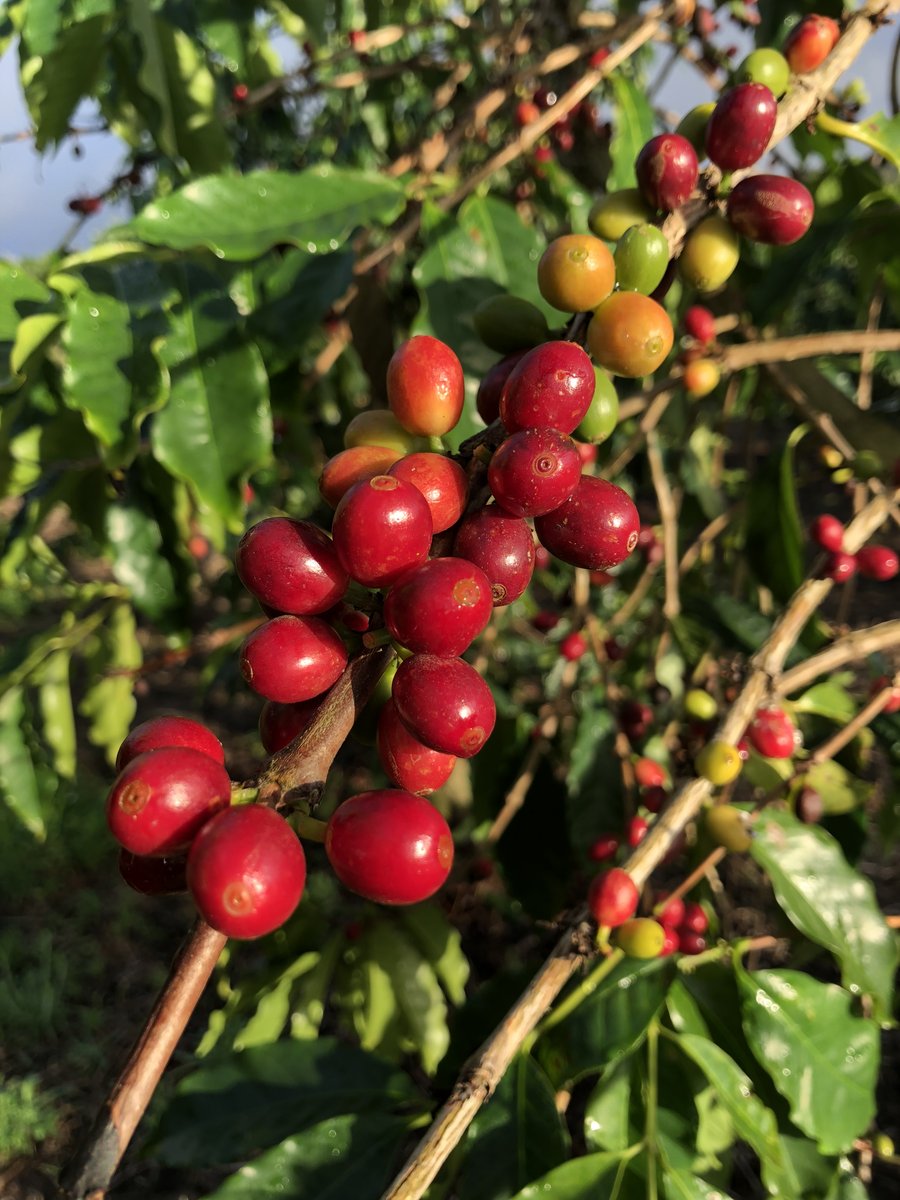
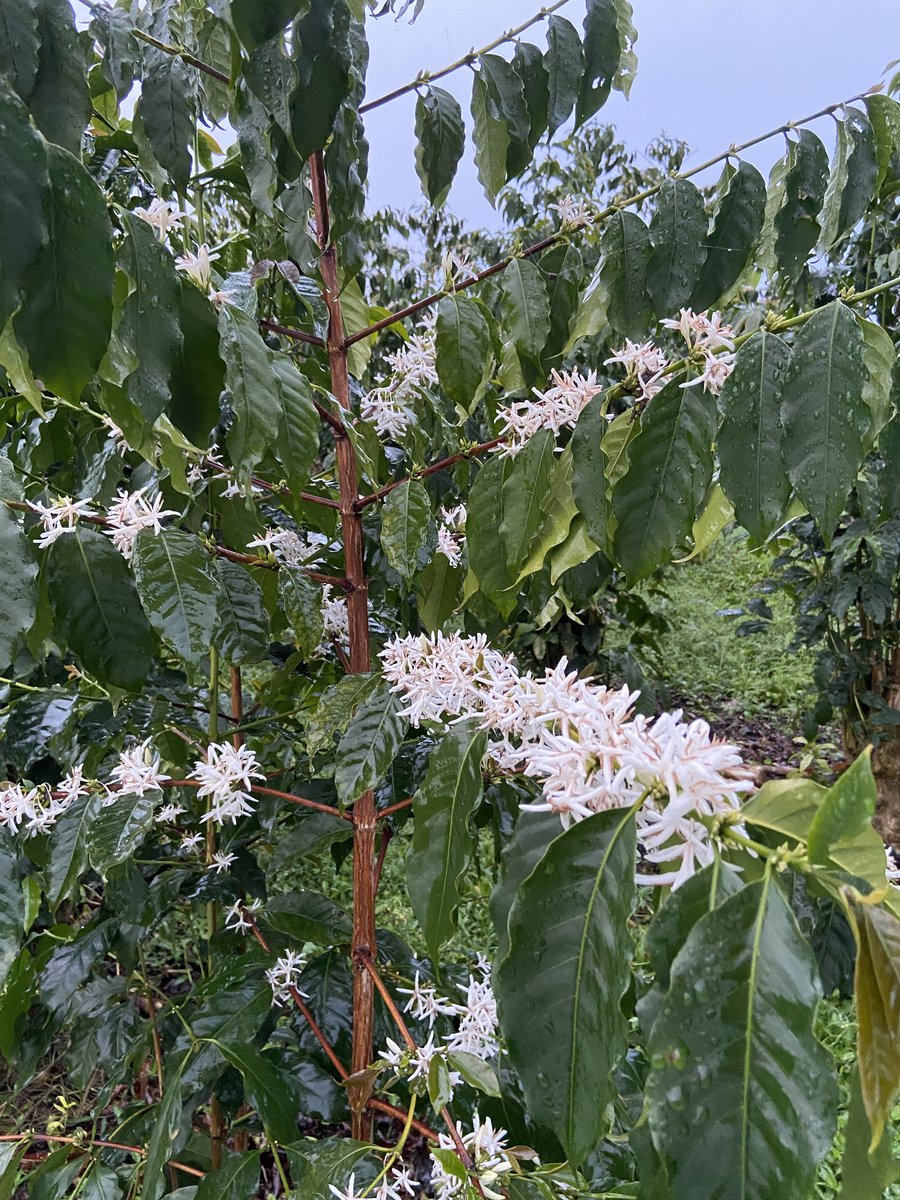
From Kona coffee farms to Waimea cattle ranches — Hawai'i Island's agricultural landscape is one of the most diverse and sought-after in the Pacific.
The Big Island's farm and ranch land is concentrated in six distinct corridors — each with its own climate, crop profile, price range, and character. Understanding which corridor fits your vision is the starting point for any agricultural property search.
The world-famous Kona coffee growing region runs along the western slope of Hualālai volcano, from Holualoa south through Captain Cook and Honaunau. Microclimates here produce ideal growing conditions: warm mornings, afternoon clouds, and consistent rainfall at elevation.
The Parker Ranch — one of the largest cattle ranches in the United States at roughly 130,000 acres — anchors the Waimea/Kamuela plateau. The surrounding area is some of the most scenic ranch land in Hawaiʻi, with green pastures, misty mornings, and cool temperatures year-round.
The rugged northern tip of the island transitions from dry coastal land to lush upland pasture. Smaller ranches and farms sit on some of the oldest volcanic terrain on the island (Lava Zone 9) — lowest volcanic risk, dramatic views, and strong cultural roots.
Once the heart of Hawaiʻi's sugar industry, the Hāmākua Coast now supports diversified farming — tropical fruits, floriculture, specialty crops, and small-scale orchards. Deep red soil, dramatic sea cliffs, and 80–120 inches of annual rainfall make it extraordinarily fertile.
The upper Hāmākua area around Honoka'a and Pa'auilo supports macadamia nut orchards, cattle operations, and small diversified farms. More affordable than the Kona belt, with good soil, reliable rain, and a strong local agricultural community.
Ka'ū produces Ka'ū coffee — now internationally recognized as rivaling Kona in quality. The area also supports cattle and small diversified farms. Upland Volcano-area farms benefit from cool temperatures and lush volcanic soil for specialty crops including mushrooms, berries, and orchids.
Big Island agricultural properties span an enormous range — from small coffee farms under 5 acres to trophy ranch land over 1,000 acres. Here's how the market breaks down by type.
2–10 acre parcels zoned FA-2a or A-1a. Typically include a home or permitted structure, a water source, and some cleared agricultural land. Common in Puna, Ka'ū, and outer Hāmākua. Entry-level agricultural living on the Big Island.
3–15 acre farms in the Kona coffee belt or Ka'ū district with established coffee trees, processing equipment, and a home. Kona coffee commands premium prices globally — buyers pay for both the land and the income potential. Due diligence on tree health, yield history, and water rights is essential.
Established mac nut orchards on 5–50 acres, primarily in the Hāmākua and Honoka'a areas. Trees take 7–10 years to reach full production — buying an established orchard versus raw land is a major price and timeline difference. Check processor contracts and infrastructure condition.
Working cattle and horse ranches in Waimea, Kohala, and North Hāmākua. Properties range from 20-acre gentleman ranches to 500+ acre working operations. The Waimea and Kohala area supports some of the most premium ranch land in Hawaiʻi — access to Parker Ranch's infrastructure and community is a significant draw.
Every agricultural corridor has its own character, community, and practical realities. Here's what buyers need to know about the three most active ranch and farm markets on the island.
Waimea sits at the center of one of the most storied ranching cultures in the United States. Parker Ranch — founded in 1847 and today covering roughly 130,000 acres — defines the character of the entire region. Paniolo (Hawaiian cowboy) tradition runs deep here, and neighboring ranch properties benefit from that culture, the established infrastructure, and the agricultural expertise embedded in the community.
Smaller parcels adjacent to large ranch operations, gentleman horse farms, cattle operations on 20–200 acres, and lifestyle ranches for buyers who want the rural pastoral experience close to a real town. Waimea has excellent schools, the KTA grocery, multiple restaurants, and a strong community — making it more accessible than more remote ranch areas.
Water here comes primarily from Kamuela Irrigation Association or private catchment — county water is available in town. Properties at higher elevation can be foggy and significantly cooler than the coast. The Kohala Center in Waimea provides agricultural technical assistance and is a valuable resource for new farmers and ranchers.
Kohala Mountain is the oldest of the Big Island's five volcanoes — dormant for over 60,000 years and classified Zone 9, the lowest possible volcanic risk. This geological age means rich, deeply developed soils in the uplands and a track record of stability that makes lenders and insurers comfortable. It also means some of the most expensive ranch land on the island.
North Kohala is defined by extremes: the coastal Kohala Resort area is bone-dry and sunny, while the upland ranches above 2,000 feet receive heavy rainfall and are blanketed in lush pasture. A property's specific elevation and aspect — which direction it faces — determines its climate more than its district label. Work with a Realtor who has walked the land.
Heritage ranch land with deep Hawaiian history, scenic ocean-view pastures, small working cattle operations, and lifestyle properties with privacy and dramatic views. Access to the Kohala Coast's luxury resort amenities is minutes away from upland farms — a combination few places in the world can offer.
The Hāmākua Coast's sugar industry ended in 1994 with the closure of the Hāmākua Sugar Company. In the three decades since, the land has transitioned to diversified agriculture — tropical fruits, floriculture, macadamia nuts, timber, and specialty crops. The red volcanic soil is extraordinarily fertile, and the consistent rainfall means irrigation is rarely needed.
Compared to Kona coffee farms or Waimea ranch land, Hāmākua farms are often significantly more affordable per acre. Buyers who don't need the Kona name or the Waimea prestige — but do want productive soil, good rainfall, and a working farm lifestyle — find exceptional value here.
Most properties here use catchment water — verify tank condition and sizing carefully. Roads can be steep and narrow, and some parcels are accessed via private easements. The spectacular sea cliff scenery and Waipiʻo Valley proximity make this one of the most beautiful agricultural regions in the state.
One of the most valuable financial benefits of owning agricultural land in Hawai'i is the agricultural property tax exemption. AG-zoned land assessed at agricultural use rates pays dramatically lower property taxes than residential or commercial land.
To qualify, you must demonstrate active agricultural use — the land must be genuinely farmed, ranched, or used for agricultural production. Passive ownership with no farming activity generally does not qualify.
The county's Real Property Tax Division reviews agricultural exemption applications and can audit whether active use requirements are being met. If a property transitions from active farming to non-agricultural use, the tax rate can increase substantially — sometimes retroactively.
Important: agricultural exemptions run with the use, not just the zoning. A property can be zoned agricultural but taxed at a higher rate if the buyer isn't farming. Work with your Realtor and a local tax professional to understand your specific obligation before closing.
Agricultural properties carry unique inspection considerations that a standard residential inspection won't cover. These are the questions to answer before you close.
Has the soil been tested? Know the pH, nutrient levels, and any history of chemical applications.
Are there drainage issues? Low-lying areas on windward parcels can flood seasonally.
What is the timber/tree inventory? On orchard properties, count and assess tree age and health.
Are there noxious weeds or invasive species requiring ongoing management?
Verify fencing condition and boundary markers — especially on large parcels where encroachment is common.
Inspect roads and access — are they paved, gravel, or dirt? Who is responsible for maintenance?
Are barns, storage buildings, and equipment structures permitted? Unpermitted structures can create closing delays.
What irrigation infrastructure exists? Pipes, valves, tanks — assess age and condition.
Verify the property's current ag exemption status and what documentation the county requires to maintain it.
Review any USDA or state conservation program enrollment — these can restrict what you do with the land for years after purchase.
Check for water rights and water system agreements — especially on large parcels that share irrigation infrastructure.
Ask for 3 years of income and expense records on working farms — yield history tells you more than the seller's verbal description.
Finding the right agricultural property requires local knowledge, not just a listing search. Let's talk about what kind of land and lifestyle you're looking for — and where on the island it actually exists.